You would think that a wisdom tooth extraction on Thursday, followed by a painful knee injury during a 9 mile run on Sunday, would have left me reaching for the ibuprofen and paracetamol. But there was no pain from the tooth after the anaesthetic wore off (I promise you, none!), and the knee was completely better with in days.
Can what you eat reduce inflammation and pain, allowing you to recover more quickly than expected? Food can have a surprising impact on injury recovery, as well as on the development of long term health conditions………..
Inflammation can be acute or chronic.
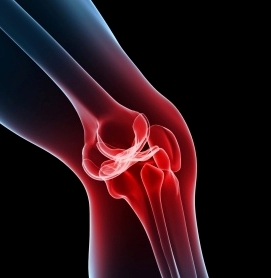
Acute inflammation is a normal and short-lived response (lasting minutes to days) to injury, irritation, or infection, and leads to redness, swelling, heat, and pain at the affected site.
Chronic inflammation is a long-term response (lasting weeks, months, or years) to factors such as poor nutrition, stress, and processes related to ageing. It is a contributing factor in heart disease, diabetes, high blood pressure, diabetes, skin conditions and nonalcoholic fatty liver disease, rheumatoid arthritis, as well as numerous cancers eg. colorectal, gastric, esophageal, pancreatic, breast, endometrial, ovarian.
Athletes & Inflammation Increased muscle stress and inflammatory responses among athletes have been reported consistently in research. Athletes are also more susceptible to longer term injuries often requiring surgery. In order to train and compete without pain, it is not unusual to take anti inflammatory medication daily. The problem with taking this medication long term is that it can cause harm to the digestive system e.g. stomach bleeding, kidney problems and potentially the development of allergies.
Is it possible that a high intake of anti inflammatory foods, coupled with a low intake of inflammation provoking foods, can reduce tissue inflammation? Before my wisdom tooth extraction and after the knee injury, I made sure that I increased my intake of anti inflammatory food (sardines, salmon, flaxseed, ginger, veg and omega 3 supplements). Is it possible that this food reduced the inflammation and pain?
Nutrition and Inflammation – the evidence
Nutrients play a key role in both promoting and reducing inflammatory processes. There is a wealth of scientific studies linking nutrients with inflammatory processes coming from laboratory, clinical, and epidemiologic studies.
In a 2006 study published in the Journal of the American College of Cardiology, scientists found that diets high in refined starches, sugars, saturated fats, and trans fats appear to turn on the inflammatory response. But a diet rich in fruits, vegetables, whole grains, and omega-3 fatty acids along with regular exercise and not smoking, seems to cool down inflammation.
Evidence links traditional dietary patterns such as the Japanese and Mediterranean diets with lower disease rates. Both diets have characteristics linked with lower inflammation levels. The traditional Japanese diet is low in fat, sugar, flour, and dairy and high in fish, vegetables, sea vegetables, rice, green tea, fruit, and soy foods, while the Mediterranean diet is low in meat and sugar and high in fish, whole grains, olive oil, fruits, and vegetables.
Causes of inflammation:
- Too many calories – eating too much and being over weight

High Glycaemic Index carbohydrates
- Excess high glycaemic index carbohydrates – sugar, white bread, white rice, white pasta, cakes, biscuits
- Trans and omega 6 fats – processed foods, soybean, corn, safflower, sunflower oil
- High ratio of omega-6 to omega-3 fats – too much omega-6 and too little omega-3 fats
So what can you eat to help to reduce inflammation? Here’s an excellent list!
Anti inflammatory shopping list
Oily fish (omega 3): absolutely top of my list: salmon, mackerel, sardines, fresh tuna. If you don’t like oily fish, then take omega 3 supplements (1000mg EPA/DHA per day)
 Fruits – any!
Grains
– Brown rice,
Bulgur, Oats,
Quinoa, Whole grain stone-ground breads
Spices – tumeric, ginger, garlic,
Legumes and Seeds
- Chickpeas,
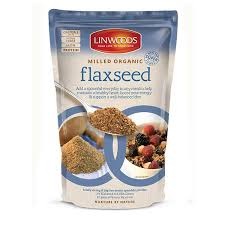
Beans, Flaxseed,
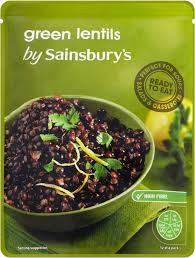
Lentils, Pumpkin seeds,
Sesame seeds,
Soybeans/edamame,
Sunflower seeds,
Tofu,
Walnuts
Oils – olive oil,
Vegetable (rapeseed) oil,
Flaxseed oil, Walnut oil
Vegetables – any!
Miscellaneous Items
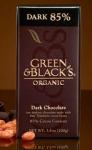
Dark chocolate (at least 70% cocoa)
Red wine (in moderation)
Tea (green, white, or black)
Anti inflammatory Menu:
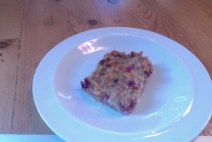
Breakfast: Seriously Healthy Pancakes or Summer Oats
Lunch: Tomato & Lentil Soup or Burgen Bread with smoked salmon & avocado
Dinner: SuperFood Salad or Jacket Potato with Beans & Coleslaw
Buyken A, Goletzke J, Joslowski G, Felbick A, Cheng G, Herder C, Brand-Miller J. (2014) Am J Clin Nutr 99(4):813-33 Association between carbohydrate quality and inflammatory markers: systematic review of observational and interventional studies.
Calder P.C. (2012) Proc Nutr Soc. 71 (2):284-9 Long-chain fatty acids and inflammation.
Giugliano D, Ceriello A, Esposito K. (2006) The Effects of Diet on Inflammation: Emphasis on the Metabolic Syndrome. J Am Coll Cardiology 48(4):677-685.
Kim W, Lee H. (2013) Nutrients (11):4305-15 Advances in nutritional research on regulatory T-cells.
Kim J, Lee J. (2014) J Exerc Rehabil 31;10 (6):349-56. A review of nutritional intervention on delayed onset muscle soreness.
Palaska I, Papathanasiou E, Theoharides TC. (2013) Eur J Pharmacol. 15;720 (1-3):77-83
Use of polyphenols in periodontal inflammation.
Salas-Salvadó J, Garcia-Arellano A, Estruch R, Marquez-Sandoval F, Corella D, Fiol M, Gómez-Gracia E, Viñoles E, Arós F, Herrera C, Lahoz C, Lapetra J, Perona JS, Muñoz-Aguado D, Martínez-González MA, Ros E (2008) Components of the Mediterranean-type food pattern and serum inflammatory markers among patients at high risk for cardiovascular disease.Eur J Clin Nutr ;62 (5):651-9.
Salas-Salvadó J, Casas-Agustench P, Murphy MM, López-Uriarte P, Bulló M. (2008) The effect of nuts on inflammation. Asia Pac J Clin Nutr;17 Suppl 1:333-6.
Simopoulos, A. P. (2008) Exp Biol Med 233(6):674-88. The importance of the omega-6/omega-3 fatty acid ratio in cardiovascular disease and other chronic diseases.


 ew research published in the
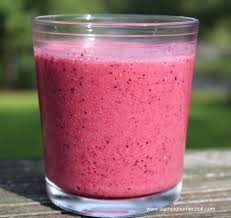
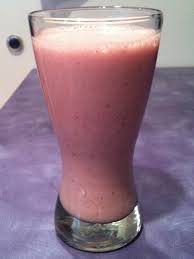
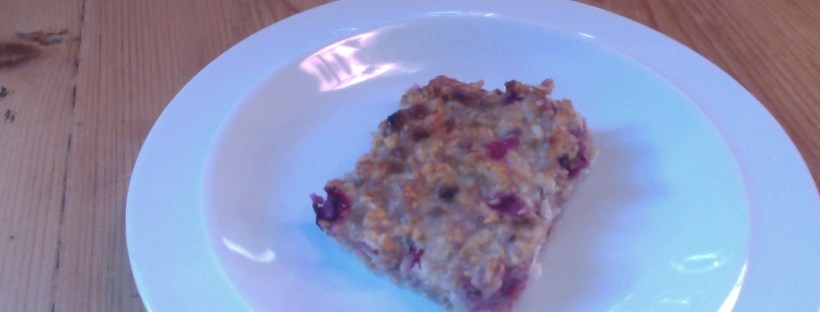
 Here are some easy ways to incorporate berries. Fresh ones can be expensive when not in season, so you can use frozen which are just as nutritious. I buy Sainsbury’s Basics which are £1.50 for a 400g bag. Use them frozen in smoothies or ice-cream, or defrost (can be quickly defrosted in the microwave).















 sarahdietitian.com
